

Child education and growth
Find small ways to bring letters, numbers and shapes into everyday play.
Parent guidesPlant letters, count butterflies and share a story. Our R49 mobile collection brings together nine games for ages 2 to 5.
Explore the R49 collection
Choose a game and play together in your browser.
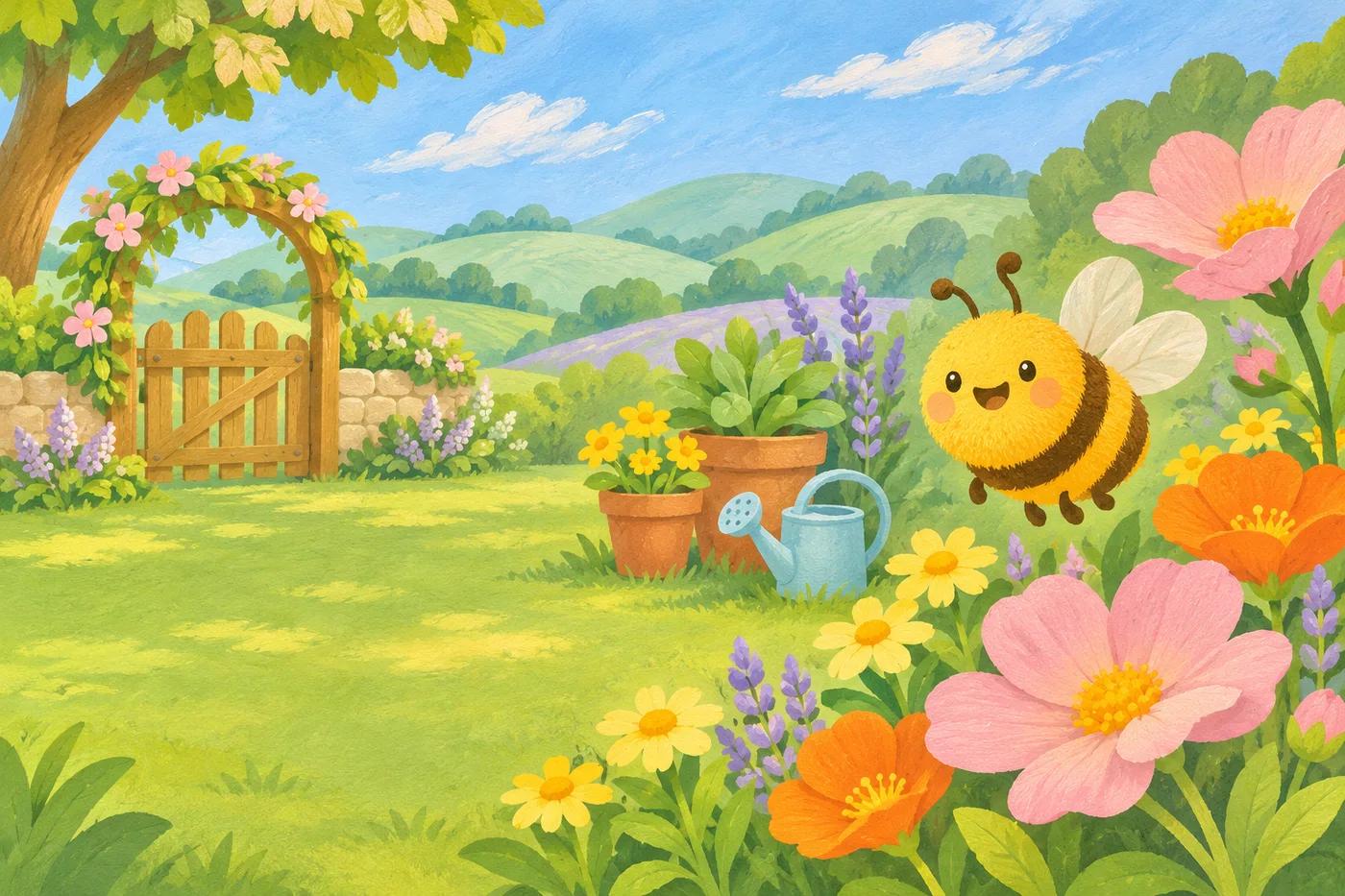
Plant letter seeds, water picture flowers and help Pip the bee find words that start alike.
Play game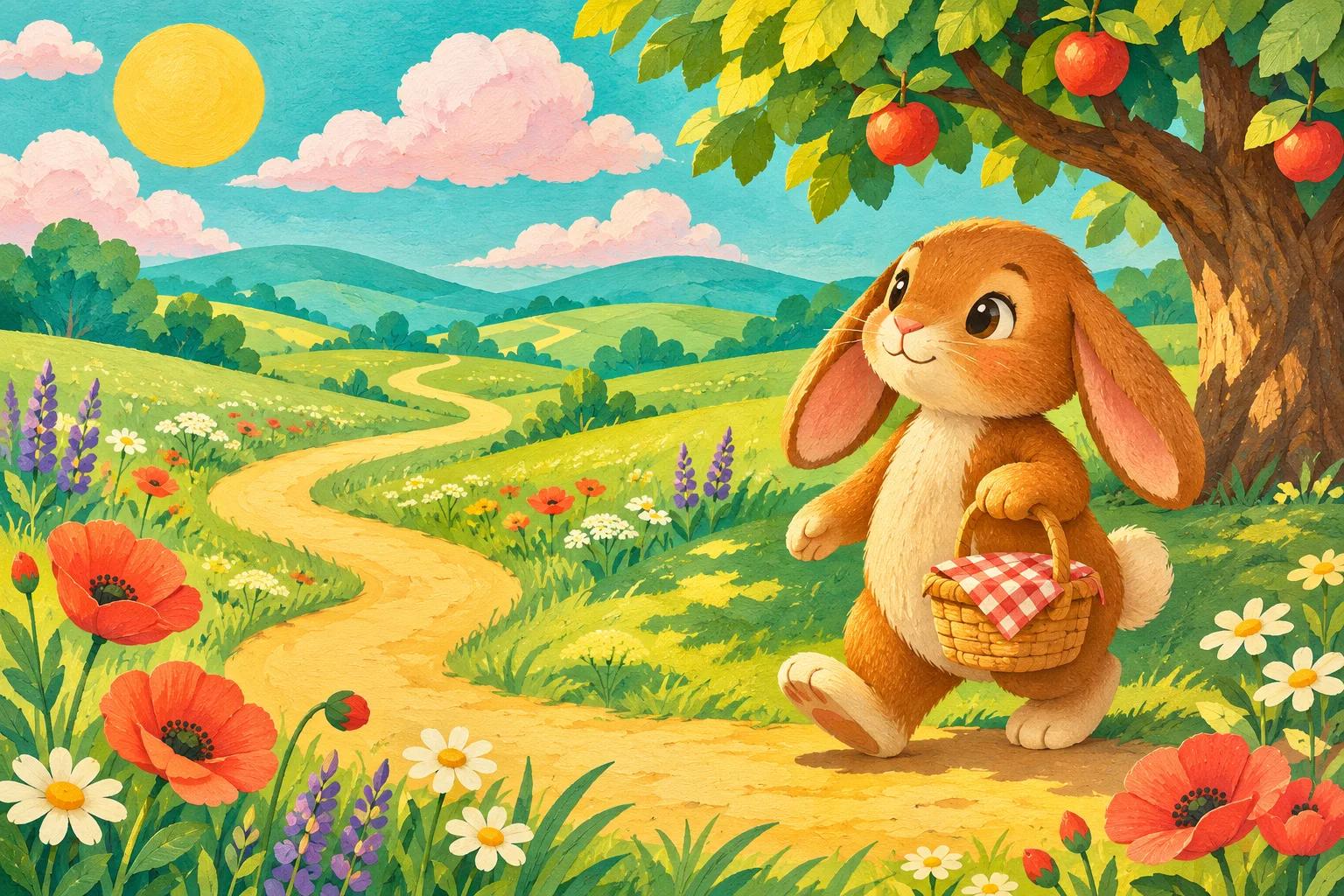
Open flowers, pick berries and count the butterflies on the way to a meadow picnic.
Play game
Meet the shapes, load the floats and finish the patterns for a musical parade.
Play game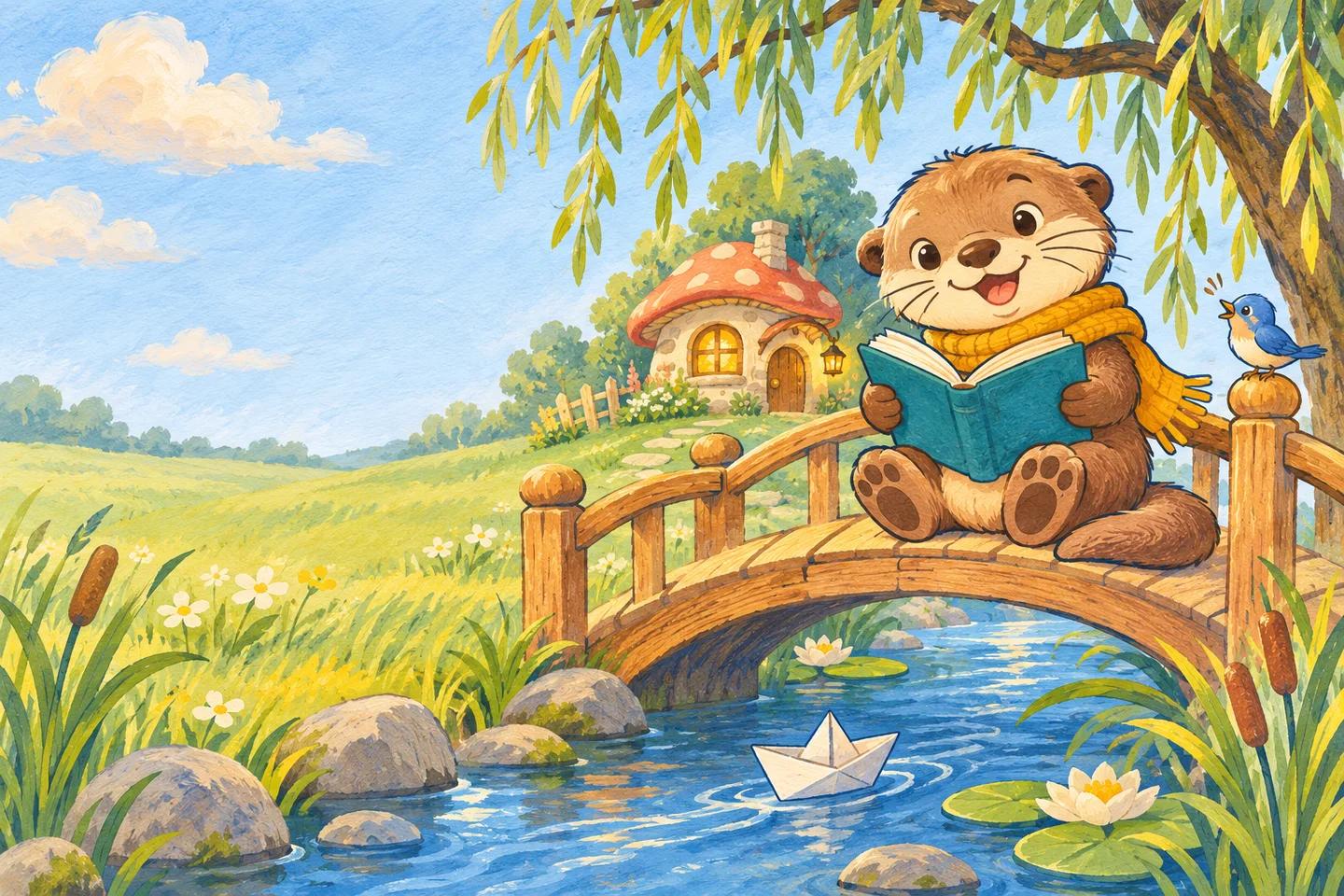
Listen to three riverside stories, put their pages in order and invent an ending for each book.
Play game
Echo lantern tunes, mend repeating light patterns and launch rhythm boats for a moonlight concert.
Play game
Compare leaf shapes, collect specimens and care for three pots in a sunny greenhouse.
Play game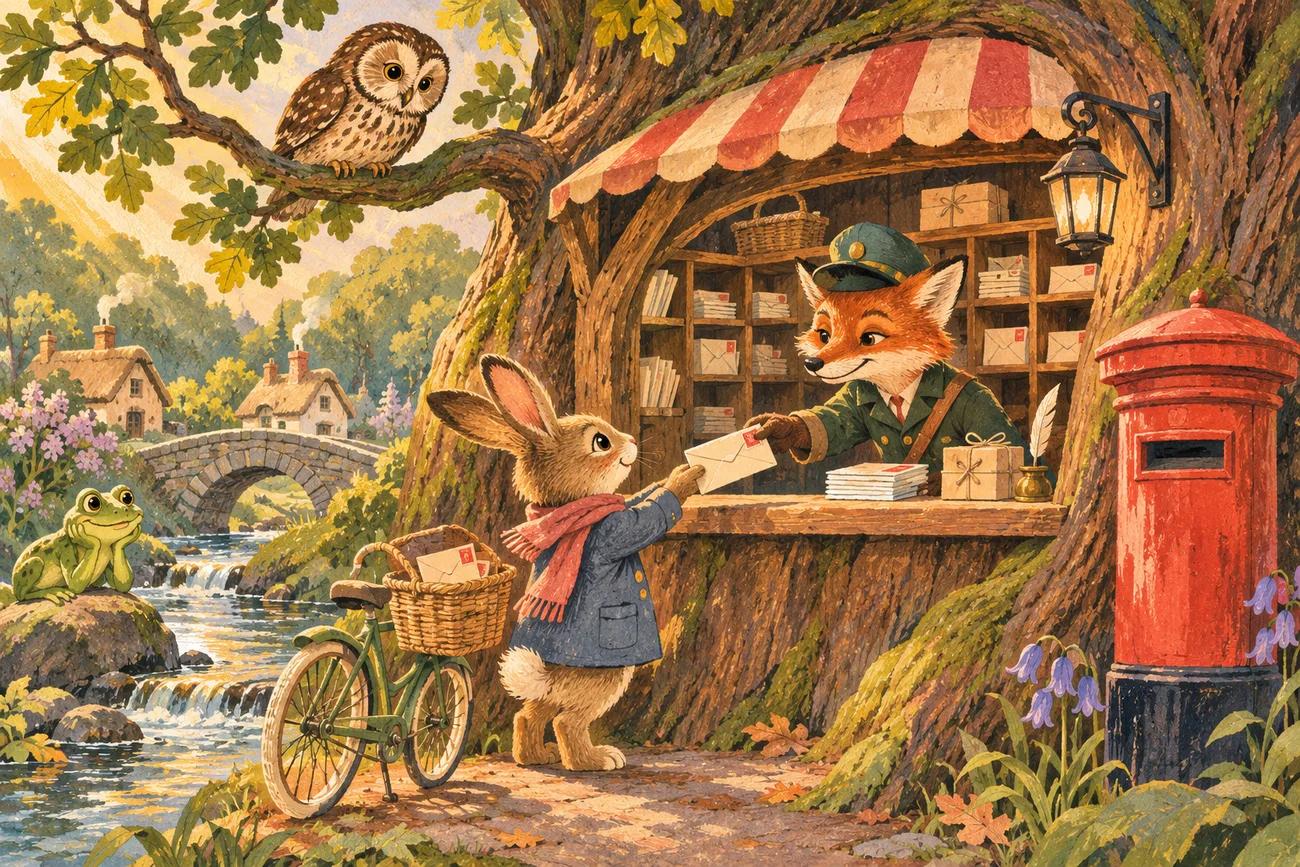
Meet four woodland friends, stamp letters in order and follow picture tickets to deliver the mail.
Play game
Pack fruit orders, compare market trays and share fruit equally. Finish the day by mixing your own smoothie.
Play game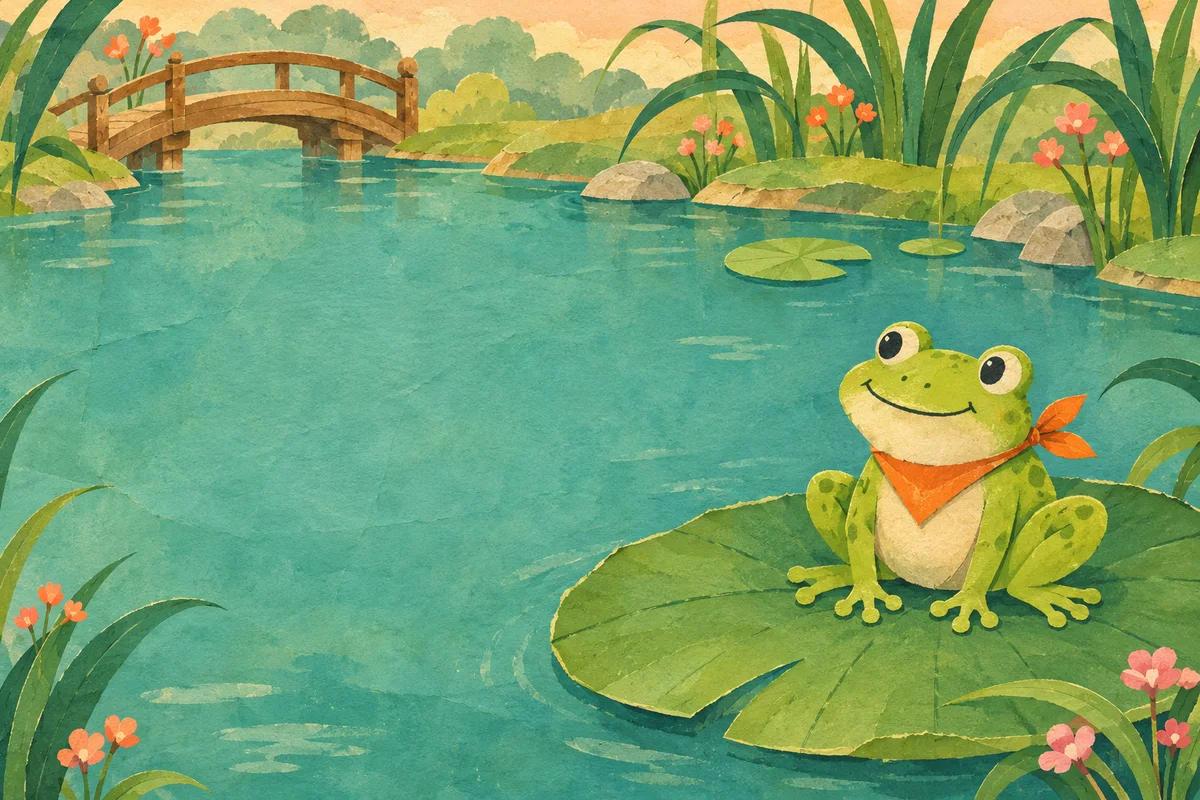
Guide Pip over bridges, land between stones and follow a picture map to the singing pond.
Play game
Build a jetty, solve a postcard mystery or light the way for a ferry coming home.
Harbour Club introductory priceR49 for all five games
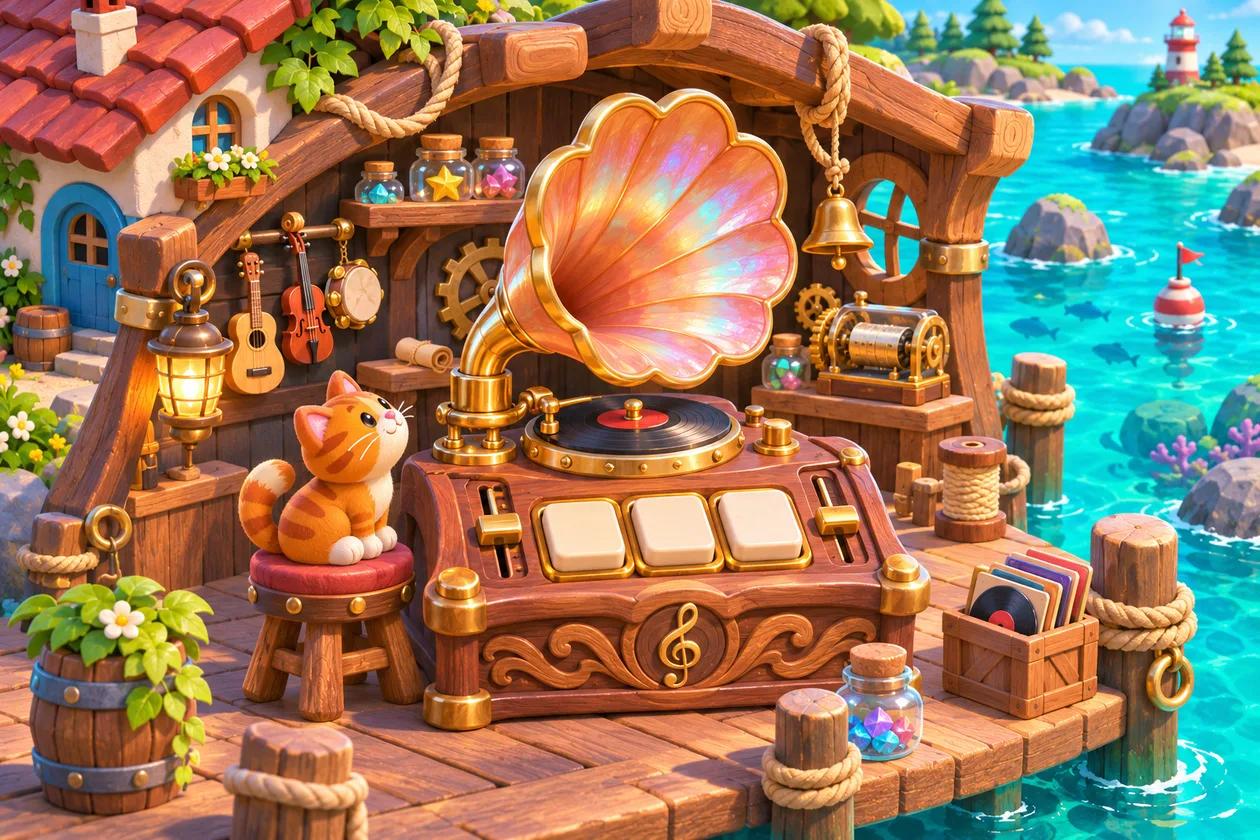
Listen for the sounds in a short word, then set its letters in place at the shell workshop.
Play game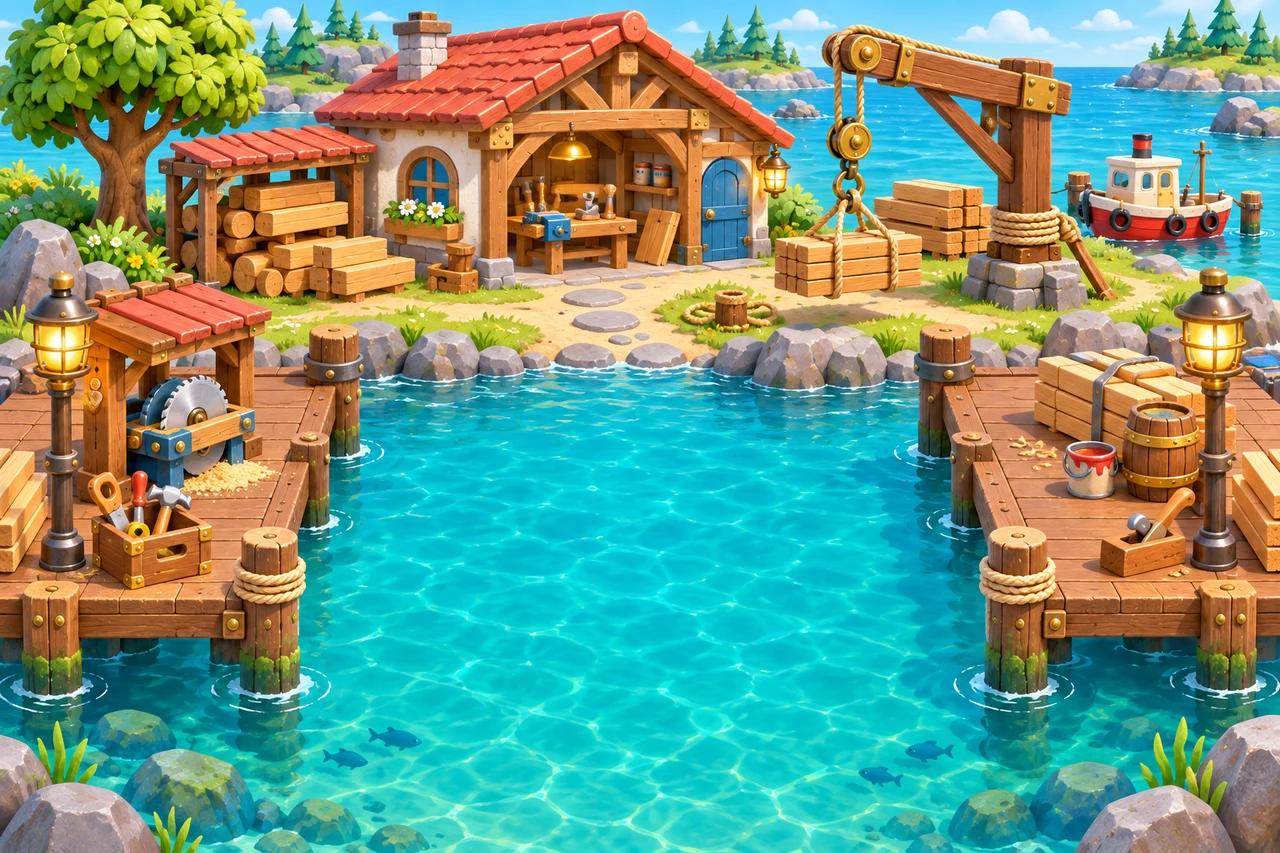
Measure a gap in the jetty and fit timber planks together so the harbour can get moving.
Play game
Sort picture postcards into a story and use the clues to work out what happens next.
Play game
Watch the signal lamps, listen to their notes and send the repeating pattern back across the bay.
Play game
Welcome each passenger aboard by choosing toy tokens that add up to the fare on their ticket.
Play gameFind small ways to bring letters, numbers and shapes into everyday play.
Parent guides
Meet the studio behind EarlyLearn.fun and discover what we’re building for families.
Our story
A child’s “what if?” can start a whole game. Read about the idea behind our approach.
Our approach